Search Engine Optimization (SEO) is one of the most in-demand digital skills today. Businesses of all sizes rely on organic search traffic to grow revenue, build authority, and reduce paid advertising costs. Becoming an SEO expert means you can help websites rank higher, attract the right audience, and turn traffic into conversions.
This complete guide walks you step by step through everything you need to know to become an SEO expert-from fundamentals to advanced strategies, tools, career paths, and real-world practice.
Want help implementing this strategy for your business?
Book a free 30-minute strategy call with Sikandar Jamil.
What Is an SEO Expert?
An SEO expert is a professional who understands how search engines work and knows how to optimize websites to rank higher in organic search results. This includes:
- Keyword research and search intent analysis
- Technical SEO (site structure, speed, indexing)
- On-page and content optimization
- Off-page SEO and link building
- Analytics, reporting, and continuous optimization
An expert doesn’t just chase rankings-they focus on business outcomes like leads, sales, and brand visibility.
Why Become an SEO Expert?
SEO is a future-proof skill with global demand. Here’s why it’s worth learning:
- High demand across industries
- Work remotely or internationally
- Strong earning potential (freelance, agency, in-house)
- Scales well with automation and AI
- Combines creativity, data, and strategy
Step 1: Learn How Search Engines Work
Before touching tools or tactics, understand the fundamentals.
How Search Engines Function
Search engines follow three main steps:
- Crawling – Bots discover pages via links and sitemaps
- Indexing – Pages are stored and analyzed
- Ranking – Algorithms decide which pages show first
Key Concepts to Master
- Search intent (informational, navigational, commercial, transactional)
- Ranking factors (content quality, relevance, authority, UX)
- Algorithm updates (core updates, spam updates)
Step 2: Master Keyword Research
Keyword research is the backbone of SEO.
What to Learn
- Short-tail vs long-tail keywords
- Informational vs commercial keywords
- Keyword difficulty and search volume
- SERP analysis (who is ranking and why)
Popular Keyword Research Tools
- Google Keyword Planner
- Ahrefs
- SEMrush
- Ubersuggest
- Google Search Console
Pro tip: Always map keywords to search intent, not just volume.
Step 3: Learn On-Page SEO
On-page SEO ensures search engines and users understand your content.
Core On-Page Elements
- Title tags and meta descriptions
- Headings (H1–H6)
- URL structure
- Internal linking
- Image optimization (alt text, compression)
- Content optimization (entities, NLP terms)
Content Best Practices
- Write for humans first, search engines second
- Cover topics comprehensively
- Use clear structure and scannable formatting
- Answer related questions (People Also Ask)
Step 4: Understand Technical SEO
Technical SEO separates beginners from experts.
Key Technical SEO Areas
- Site architecture and crawlability
- XML sitemaps and robots.txt
- Page speed and Core Web Vitals
- Mobile-first indexing
- HTTPS and security
- Canonical tags
- Structured data (Schema markup)
Tools for Technical SEO
- Google Search Console
- Screaming Frog
- Sitebulb
- PageSpeed Insights
- Lighthouse
Step 5: Learn Off-Page SEO & Link Building
Off-page SEO builds authority and trust.
Link Building Strategies
- Guest posting
- Digital PR
- Resource link building
- Broken link building
- Brand mentions
- HARO / journalist outreach
What to Avoid
- Buying spammy links
- Link farms and PBNs
- Over-optimized anchor text
Quality always beats quantity.
Step 6: Master Content Strategy & Topical Authority
Modern SEO is content-driven.
What You Need to Know
- Topic clusters and pillar pages
- Topical authority
- Content freshness
- E-E-A-T (Experience, Expertise, Authoritativeness, Trustworthiness)
Content Types That Work Well
- Ultimate guides
- Comparison posts
- Case studies
- How-to tutorials
- FAQs and glossary pages
Step 7: Learn Analytics & Reporting
An SEO expert must measure impact.
Metrics to Track
- Organic traffic
- Keyword rankings
- Click-through rate (CTR)
- Conversions and revenue
- Bounce rate and engagement
Essential Tools
-
- Google Analytics (GA4)
- Google Search Console
- Looker Studio
- Ahrefs / SEMrush dashboards
- SEO decisions should always be data-driven.
Struggling to Rank for Competitive Keywords?
If you’re struggling to rank for competitive keywords, you likely need a structured topical authority strategy. Let’s analyze your website together.
Step 8: Practice on Real Websites
SEO is learned by doing.
How to Gain Experience
- Start your own blog or niche site
- Offer free SEO audits to friends or businesses
- Work on local business websites
- Freelance on Upwork or Fiverr
- Join an SEO agency or startup
Document results and build case studies.
Step 9: Learn Advanced & Modern SEO
To become an expert, go beyond basics.
Advanced SEO Skills
- Programmatic SEO
- International SEO
- Local SEO
- E-commerce SEO
- JavaScript SEO
- AI-assisted content optimization
- Conversion Rate Optimization (CRO)
Stay updated with algorithm changes and industry trends.
Step 10: Build Your Personal Brand
Authority matters in SEO.
How to Build Credibility
- Share insights on LinkedIn and Twitter (X)
- Publish case studies
- Speak at webinars or podcasts
- Create YouTube or blog content
- Network with other SEO professionals
Your personal brand can bring clients and job offers.
SEO Career Paths
As an SEO expert, you can choose:
- In-house SEO specialist
- SEO agency role
- Freelance SEO consultant
- Programmatic SEO specialist
- Head of SEO / SEO Manager
- Founder of an SEO agency
How Long Does It Take to Become an SEO Expert?
- 3–6 months: Strong foundation
- 6–12 months: Confident practitioner
- 1–3 years: True SEO expert
Consistency and hands-on practice matter more than speed.
Common Mistakes to Avoid
- Chasing shortcuts or hacks
- Ignoring search intent
- Over-optimizing keywords
- Neglecting technical SEO
- Not tracking results
SEO rewards patience and quality.
Final Thoughts
Becoming an SEO expert is a journey, not a shortcut. Focus on learning fundamentals, practicing on real projects, staying updated with search engine changes, and always prioritizing user experience.
If you commit to continuous learning and ethical (white-hat) SEO practices, you can build a long-term, successful career in SEO.
Frequently Asked Questions (FAQs)
What does Search Engine Empires do?
Search Engine Empires is a results-driven SEO company that specializes in white-hat SEO, technical SEO, content strategy, and programmatic SEO. The focus is on building long-term organic growth strategies that align with business goals rather than short-term ranking hacks.
How long does it take to become an SEO expert?
Becoming an SEO expert typically takes 6 to 12 months of consistent learning and hands-on practice. Reaching an advanced or expert level usually takes 1 to 3 years of working on real projects, analyzing data, and adapting to algorithm updates.
Can I learn SEO without a technical background?
Yes. While a technical background is helpful, it is not required. Many successful SEO professionals start from marketing or content backgrounds and gradually learn technical concepts like site structure, indexing, and page speed optimization.
Is SEO still a good career choice?
Yes. SEO remains one of the most in-demand digital skills because businesses rely heavily on organic search traffic. With the rise of AI, programmatic SEO, and data-driven marketing, skilled SEO professionals are more valuable than ever.
What makes Search Engine Empires different from other SEO agencies?
Search Engine Empires focuses on scalable SEO systems, ethical optimization practices, and measurable business outcomes. The approach combines technical SEO, content depth, and automation to deliver sustainable growth instead of temporary ranking boosts.
Do I need certifications to become an SEO expert?
Certifications are helpful for learning and credibility, but they are not mandatory. Practical experience, case studies, and proven results matter far more than certificates alone.
Can Search Engine Empires help beginners learn SEO?
Yes. Search Engine Empires regularly publishes educational content, guides, and insights designed to help beginners and intermediate professionals understand modern SEO and apply it effectively.
Final Thoughts
Becoming an SEO expert is a long-term investment in skills that continue to grow in value. With consistent practice, ethical strategies, and a focus on real results, anyone can build a successful career in SEO.
Search Engine Empires is built on these same principles-strategy, scalability, and sustainable growth.
Ready to Grow Your Organic Traffic?
If you’re serious about ranking on Google and generating consistent leads:
-
- ✔ Free SEO Audit | ✔ Competitor Gap Analysis | ✔ Custom Growth Roadmap
Click below to schedule your strategy session.

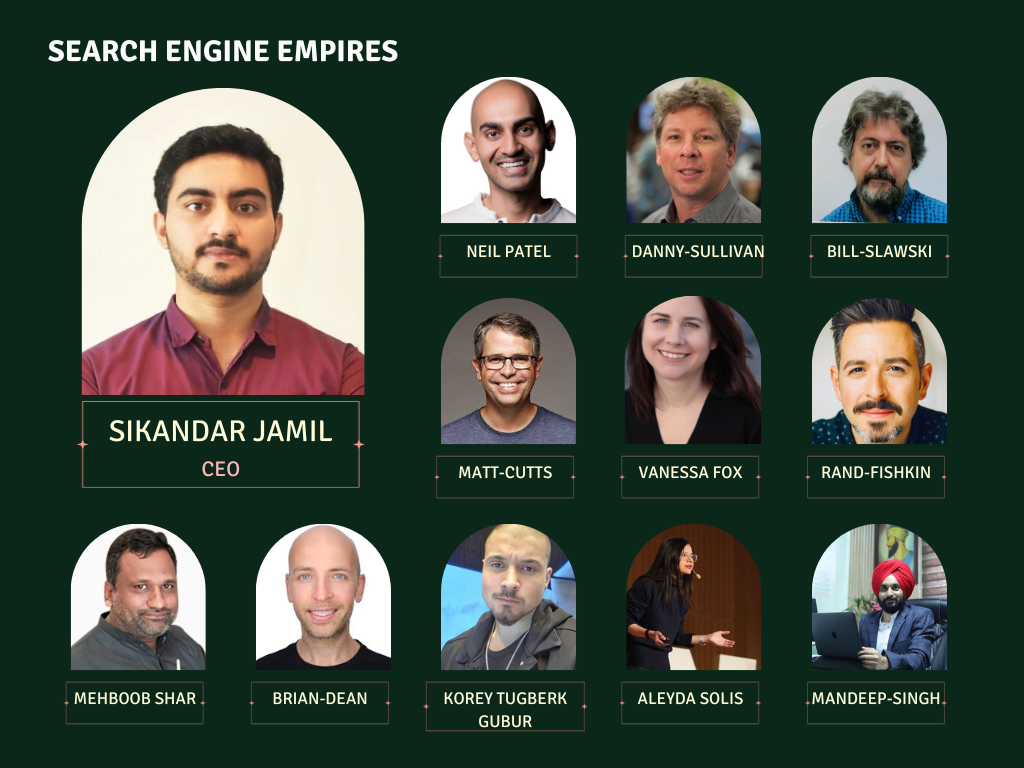
Sikandar Jamil, an SEO professional with over 5+ years of experience. I’m the founder of Search Engine Empires and a Co Founder Of Ceca Media und Marketing in Germany Deutschland. My Expertise is in Entity Based SEO, Building Topical Authority and Optimize Retrieving Costs for Search Engines to increase Search Engine Visibility, Improve Crawling and indexing and Also Proficient in implementing Programmatic SEO Strategies.