Search Engine Optimization SEO is a technique and procedure to tell google what your website is all about by improving the website technically, creating relevant content, building links, and also creating a good website architecture.
Want help implementing this strategy for your business?
Book a free 30-minute strategy call with Sikandar Jamil.
Why is SEO important?
Search Engine Optimization is important for your business because it can generate free traffic organically to improve your business through your website by getting more customers from it only by optimizing for potential customer queries.
SEO vs. PPC
People confuse themselves with SEO and PPC. PPC is Pay per click advertising means you pay for it but Search Engine Optimization is only based on your hard work.
The anatomy of search results
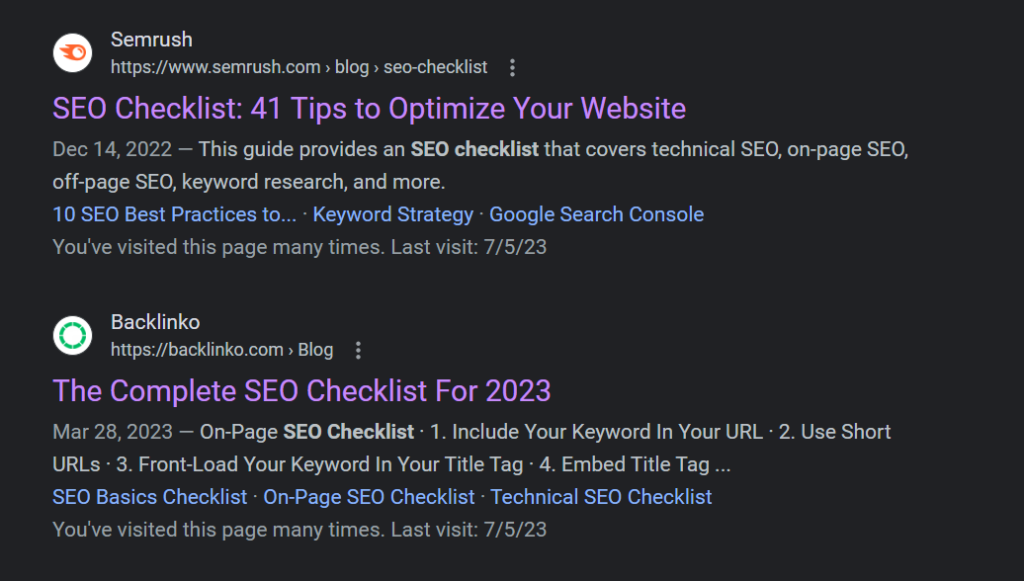
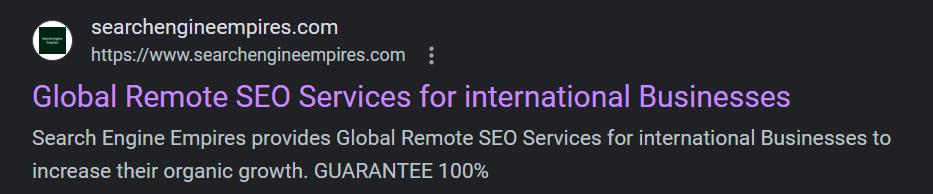
Paid results: You can see paid results examples by searching for keywords like “SEO Experts in California” or you can try another area instead of California because maybe when you search for a keyword you may not be able to see that paid result just because at the time no one is running any ad. You need to run Google ads or Bing ads campaigns to show your website on particular keywords that can be “Broad Match, Exact Match, or Phrase Match Keyword”.

Organic results: Just below paid or sponsored ads you will also be able to see organic results on SERP which is optimized and ranked by implementing the best practices of Search Engine Optimization.
SEO involves
- On-page: People do overthink on-page SEO you just really need to optimize and you should have your keyword in your page Meta title, Meta description, Page URL, Keyword h1 HTML heading, and in the paragraph, this is how you can optimize it for on-page SEO. You can follow the On-Page SEO Guide of Brain Dean For the Best Results.
- Keyword Research:

- Link Building: Page SEO involves putting your website links outside of your website which involves local, and international directories business submissions, creating social profiles, copy your competitor’s backlinks you can you Ahrefs link insertion tool to do that, and broken link building also includes off-page SEO category there are many other types of links as well they all should be created in a very natural way by taking some points into your consideration that what your anchor texts should be other then this uniqueness of the content also matters wherever you create a link and you should have you website link variations.

- Technical SEO: It has a long list but some of the things which are important and of high priority are having HTTPS instead of HTTP you should use TLS which is an advanced version of SSL that provides the best security for your website and is free and provided by Cloudflare CDN, technical SEO also includes checking crawling issues like having a good canonical tag, good website Speed, and a good sitemap and robots file to make your Google life easy to crawl it and index it in SERP.

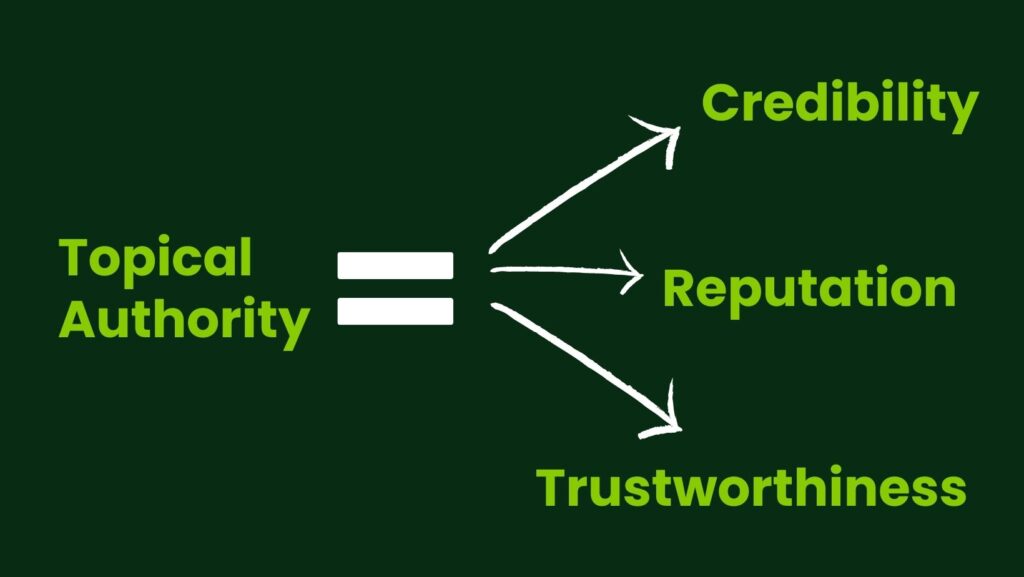
- Building Topical Authority When it comes to ranking and increasing website visibility then becoming a Topical Authority in your niche is a best practice. You can achieve this by covering a wide range of topics and by understanding the relationship between entities by having perfect interlinking of pages.
- Content Creation and Buiding Topical Maps to cover different entities For Building Topical Authority you need to create Content and for that you need topics or you need to create a topical map to cover different entities there are different ways to create a topical map or find topics or you can say finding keywords on which you need to write on you can do this by using answerthepublic.com you can also use its alternate which is answersocrates.com it will give you many topics other than this you can use Google Suggestions, Related Searches, checking competitors sitemap to get more keywords, and you can also use some tool like AHREFS or SEMRUSH to find topics easily.

How Do Search Engines Work?
Google is the most popular search engine so as an SEO experts you must need to understand it’s working because it will help you to improve your website so that Google can understand your website properly. The main goal of any search engine like Google is to satisfy the customer or the person who is searching for that particular query by providing him with a complete and best answer. The main steps which are involved in serving a user are:
Crawling: This is a step in which Google reads your website page and checks if the page you want to index is mobile-friendly, referred by sitemap, and has good content.
Indexing: You can say that this is step 2 after crawling Google Crawler indexes your website sometimes it can take some time to index even if you have fixed everything right. Indexing typically means it will show your webpage on Google Search Engine Result Pages. In this step google check page to check what that page is all about and then insert it into its database.
Serving results: Serving Result or Ranking Step comes after indexing your website. In this step, google checks when a user enters a query in the search engine which page is best in terms of relevancy and quality then ranks it accordingly.
Ensuring Relevance
Ensuring that your page content is relevant to the searcher’s query is the no.1 priority is that query is not relevant then Google will not put your website result on rankings. There are several types of search queries by the user which work on different levels of the Sales funnel to satisfy the user.
- Navigational: Navigational Search intent is when a user search for a service or product in some area or location for example
“SEO Services in Washington”
When the user searches this query then he is willing to get services of SEO available in Washington
- Informational
Informational Search intent is when a user is looking for some information related to a particular item, product, or service for example if a user searches for “Do SEO Worth it?” this user is willing to know if SEO is better for his or her business.
- Commercial
A user who has commercial search intent wants to investigate products, services, or brands for example “Best SEO plugin for WordPress”.
- Transactional
The transactional search intent of users is more willing to purchase a product or service for example “SEO Services price in Los Angeles California”.
Topical relevance: Topical Relevance is the most important factor when it comes to satisfying a searcher’s query on Google because if your page content and meta tags are not relevant to the query which is being searched on Google then your page will not rank let’s say if I am searching for the best price for SEO services then if google returns me results like what is SEO or how SEO works I will not going to even click that result just because I don’t want that result because its irrelevant.
Type of content: Make sure when you start writing content for a page you first need to check which type of content is ranked on Google you just need to search on Google before writing on it like whether Google is ranking product pages, list posts, category pages, etc then create only that type of page only.
Content freshness: Some content that needs frequent updating for example product reviews etc needs to be updated for the freshness of the content because these types of content are time sensitive.
Location: Google Shows search results based on the current location of the person so you also need to adjust that to fully check whether you are ranking in that particular location or not. If you have a local business then you need to do its local SEO which includes optimization of Google Business Profile, Listing in Business Directories, and consistent use of the same Business Name, Address, and Phone Number everywhere on the internet.
Struggling to Rank for Competitive Keywords?
If you’re struggling to rank for competitive keywords, you likely need a structured topical authority strategy. Let’s analyze your website together.
Why SEO focuses on Google?
Worldwide Google has around 92.63% market share of global search engines and Bing only has 2.79% of the global search engine market share that’s why SEO focuses more on Google rather than any other search engine because Google has the maximum traffic.
What does Google want?
Google is here to give users or searchers the best search Experience. This means providing the most relevant results is its ultimate goal as quickly as possible for example if you visit the investopedia website then you will see in every article they have created they are covering more relevant information and give users a key takeaway section to give answers as quickly as possible.
How Google makes money?
Google makes money through its advertising network which Google uses to put ads in a Google Display Network GDN and people show ads using PPC Google Ads using the Google AdWords dashboard.
The Role of SEO
The role of SEO is to optimize a website and make it easy for search engines to understand its content.
Search engines like Google use bots to crawl websites and algorithms to rank pages based on relevance, authority, and user experience.
A well-optimized website means:
- Search engines can easily crawl and index it.
- Users can quickly find the information they’re looking for.
- Businesses gain more visibility and brand trust.
Where to Start?
The foundation of SEO starts with creating quality content. Content is the fuel that drives search engines, and without it, optimization has no impact.
Creating Quality Content
To stand out in 2025, your content must satisfy both search engines and human readers. Here’s how:
✅ Comprehensiveness
Cover your topic in depth. Don’t just write 500 words – go into detail, include examples, FAQs, and related subtopics.
✅ Uniqueness
Avoid duplicate content. Original insights, case studies, and personal experiences build authority.
✅ E-A-T signals (Expertise, Authoritativeness, Trustworthiness)
Show Google you’re an expert: add author bios, cite reputable sources, and keep your site secure.
✅ Readability
Use short paragraphs, bullet points, and simple language. The easier your content is to consume, the better the engagement.
Where to Start?
Once you have strong content, the next step is providing great usability to ensure visitors stay on your site.
Providing Great Usability
User experience (UX) is now a ranking factor. If people land on your site but bounce back quickly, it hurts your SEO. Focus on:
Site security
Use HTTPS. A secure site builds trust with both users and Google.
Page speed
A slow site kills rankings. Use tools like PageSpeed Insights or GTMetrix to test and optimize loading times.
Mobile-friendliness
With over 60% of searches coming from mobile, a responsive design is non-negotiable.
Ease of use
Clear navigation, structured headings, and internal links make your site easier to explore.
Where to Start?
After usability, focus on building authority – because authority is what makes your site stand out in competitive niches.
Building Authority
Google rewards websites that others trust and reference. Building backlinks is key to establishing authority.
Creating linkable assets
Publish ultimate guides, infographics, or research-based posts that people naturally want to reference.
Guest posting
Write high-value content for authoritative sites in your industry. This earns backlinks and new audiences.
Broken link building
Find broken links on other websites and suggest your content as a replacement. A win-win for both sides.
Where to Start?
Combine content, usability, and authority building consistently. This is how SEO delivers long-term results.
7 Truths About SEO
- SEO is not about cheating Google. It’s about aligning with its goal of delivering the best results.
- SEO is not about hacks. Quick tricks don’t work long-term – solid strategies do.
- SEO is a long-term game. Expect results in months, not days.
- SEO is more than just installing an SEO plugin. Tools help, but strategy matters most.
- You’re never “done” with SEO. Algorithms and competitors keep evolving.
- Knowing your audience is key. Keywords must match search intent.
- SEO is just one part of the puzzle. Combine it with content marketing, PPC, and social media.
SEO FAQs
Q1: What is the role of SEO in digital marketing?
SEO is the backbone of digital marketing. It drives organic traffic, builds brand authority, and reduces dependence on paid ads.
Q2: Can I do SEO myself?
Yes! With guides like this checklist, you can start basic SEO yourself. For competitive industries, hiring experts may accelerate results.
Q3: How do I start learning SEO?
Start with free resources like Google Search Central, SEO blogs, and YouTube tutorials. Then practice by optimizing your own website.
Q4: Do I need an SEO tool?
Yes. Tools like SEMrush, Ahrefs, and Google Search Console help with keyword research, competitor analysis, and performance tracking.
Final Thoughts: SEO is not a one-time task – it’s an ongoing strategy. By focusing on quality content, user experience, and authority building, you’ll stay ahead of competitors and keep up with Google’s ever-changing algorithms.
Ready to Grow Your Organic Traffic?
If you’re serious about ranking on Google and generating consistent leads:
-
- ✔ Free SEO Audit | ✔ Competitor Gap Analysis | ✔ Custom Growth Roadmap
Click below to schedule your strategy session.

Sikandar Jamil, an SEO professional with over 5+ years of experience. I’m the founder of Search Engine Empires and a Co Founder Of Ceca Media und Marketing in Germany Deutschland. My Expertise is in Entity Based SEO, Building Topical Authority and Optimize Retrieving Costs for Search Engines to increase Search Engine Visibility, Improve Crawling and indexing and Also Proficient in implementing Programmatic SEO Strategies.